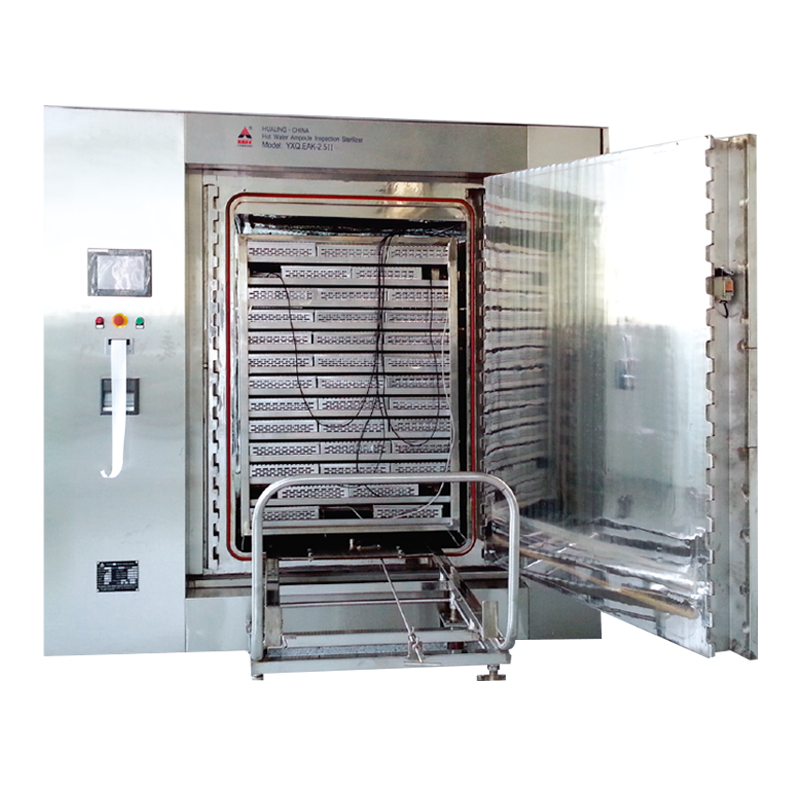
Sterilizator de medicina traditionala chineza
Cat:Produse
Sterilizatorul efectuează operațiuni de sterilizare cu căldură umedă asupra articolelor cu abur...
Vezi Detalii

Sterilization remains a foundational pillar of modern healthcare, pharmaceutical production, and scientific research. Among the various methods utilized to eliminate microbial life, high pressure steam sterilization stands out as the most reliable and efficient approach. Within this category, the pulse vacuum sterilizer represents a highly advanced technological development. Unlike traditional gravity displacement systems, a pulse vacuum autoclave utilizes an active vacuum system to ensure complete air removal from the sterilization chamber. This active air extraction is vital because even a tiny pocket of air can insulate microorganisms from the heat of the steam, resulting in a failure of the sterilization process.
Understanding the operation, underlying science, and mechanical design of a pulse vacuum sterilizer is essential for facility managers, laboratory technicians, and healthcare professionals who rely on sterile conditions. This comprehensive guide details the mechanical processes, thermodynamic principles, and operational best practices that allow these sophisticated machines to deliver consistent, verified sterility for complex and challenging loads.
The defining feature of a pulse vacuum sterilizer is its ability to actively manipulate chamber pressure before the actual heating phase begins. This process relies on a sequence of vacuum pulses and steam injections designed to replace all air in the chamber with pure, saturated steam.
The initial phase of a pulsating vacuum sterilization cycle is the pre vacuum stage, which is the most critical step for ensuring sterilizing efficacy. When the door is closed and the cycle is initiated, a powerful liquid ring vacuum pump begins to extract air from the chamber. This extraction drops the pressure well below atmospheric pressure. Once a pre-set vacuum level is reached, the vacuum pump pauses, and high pressure steam is injected into the chamber. This injection raises the pressure back toward atmospheric levels or slightly above.
This sequence of vacuum extraction followed by steam injection is referred to as a single pulse. A standard pulse vacuum sterilizer will repeat this sequence three to four times. Each pulse dilutes the remaining air inside the chamber and within the pores of the load. By the end of the final vacuum pulse, more than ninety-nine percent of the air has been eliminated from the chamber, leaving an environment that can be completely saturated with steam. This thorough air removal is particularly critical for sterilizing porous loads and hollow instruments, where air easily becomes trapped in narrow cavities.
Once the pre vacuum stage has successfully eliminated the air, the autoclave enters the heating and sterilization phase. Saturated steam is continuously introduced into the chamber until the internal environment reaches the target sterilization temperature. The two most common sterilization temperatures utilized in clinical and laboratory settings are 121 degrees Celsius and 134 degrees Celsius.
During this stage, the steam must remain saturated, meaning it is at its boiling point for the corresponding pressure. Saturated steam is highly effective at killing microorganisms because it transfers heat rapidly. When the cooler surface of the load comes into contact with the saturated steam, the steam immediately condenses into water. This condensation process releases a massive amount of latent heat directly onto the microorganisms. The combination of moisture and intense heat causes the proteins and enzymes within the microbial cells to coagulate and denature, leading to rapid and irreversible cell death. Because the air was completely removed during the pre vacuum pulses, the steam can contact every surface of the load simultaneously, ensuring uniform thermal exposure.
Following the completion of the sterilization holding time, the chamber pressure must be safely released. The exhaust valve opens, allowing steam to escape and bringing the chamber pressure back down to atmospheric levels. However, because steam has condensed on the surfaces of the load, the instruments and materials are wet. Wet packages are a serious concern because moisture can act as a vehicle for environmental contaminants to penetrate the sterile barriers after the cycle is complete, a phenomenon known as wet pack contamination.
To prevent this issue, the pulse vacuum sterilizer initiates a vacuum assisted drying phase. The vacuum pump is activated once again, pulling a deep vacuum inside the hot chamber. Under low pressure conditions, the boiling point of water drops significantly. The residual heat stored in the sterilized load causes the moisture on the surfaces to rapidly boil and vaporize at this lower temperature. The vacuum pump continuously extracts this water vapor from the chamber. After the drying phase is complete, sterile air is drawn into the chamber through a high efficiency particulate air filter to restore normal atmospheric pressure, allowing the operator to safely open the door and retrieve a completely dry and sterile load.
The reliable execution of a pulsating vacuum sterilization cycle requires the precise coordination of several heavy duty mechanical and electronic systems. Each component must withstand extreme pressure changes, high temperatures, and corrosive moisture over thousands of operational cycles.
At the center of every pulse vacuum autoclave is a double walled sterilization chamber. The inner chamber holds the load, while the outer sleeve, known as the jacket, surrounds the inner chamber and is continuously filled with pressurized steam. This jacketed design serves a vital thermodynamic purpose. By keeping the walls of the inner chamber constantly hot, the jacket prevents excessive steam condensation on the chamber walls during the sterilization phase. This ensures that the energy of the steam is directed entirely toward heating the load rather than the cold metal of the machine.
The chamber and jacket are constructed from high grade stainless steel, such as 316L stainless steel, which offers exceptional resistance to corrosion and stress cracking. The interior of the chamber is typically polished to a mirror finish to prevent the accumulation of scale, rust, and microbial biofilms, while also making the chamber easier to clean during routine maintenance.
The liquid ring vacuum pump is the mechanical heart of the active air removal system. Unlike oil sealed pumps, a liquid ring pump utilizes water as a sealant and compressant. This water ring seal is highly advantageous for autoclave applications because the pump must constantly handle hot steam, water vapor, and moisture without degrading the internal lubricants.
As the impeller of the pump rotates, centrifugal force flings the water outward to form a moving cylindrical ring against the pump casing. This water ring seals the spaces between the impeller blades, creating compression chambers that draw air and vapor out of the autoclave. The vacuum pump must be supplied with a continuous stream of cool, clean water to maintain the integrity of the liquid ring and prevent overheating, which would otherwise reduce the vacuum efficiency of the system.
Modern sterile processing demands absolute precision and traceability. To achieve this, a pulse vacuum sterilizer utilizes a microcomputer control system, typically based on programmable logic controllers. This system receives real time data from highly sensitive temperature sensors and pressure transducers located inside the chamber, jacket, and drain lines.
Based on this data, the control system manages the opening and closing of numerous pneumatic and electromagnetic valves. These valves control the flow of steam from the steam generator into the jacket and chamber, regulate the exhaust lines, and manage the operation of the vacuum pump. The control system also monitors safety parameters, such as door interlocks, which prevent the operator from opening the door while the chamber is pressurized or when the temperature is dangerously high.
The fundamental challenge in steam sterilization is not reaching a specific temperature, but rather ensuring that the heat and moisture penetrate to the coldest and most inaccessible parts of the load. This is where the physics of steam penetration becomes crucial.
Air is an exceptionally poor conductor of heat. In the context of autoclave sterilization, air acts as a thermal barrier. If air is left inside the chamber, it will naturally pool at the bottom or remain trapped inside hollow tubes, porous fabrics, and the spaces between densely packed instruments. When steam enters the chamber, it cannot mix easily with these air pockets because of differences in density.
As a result, the steam will surround the air pocket but will be unable to penetrate it. The items inside the air pocket will only be heated by the slow process of dry conduction through the air, rather than the rapid process of steam condensation. To put this in perspective, sterilizing an item in dry air at 121 degrees Celsius requires several hours of exposure, whereas doing so in saturated steam at the same temperature requires only fifteen to twenty minutes. Complete air removal via pulsating vacuum cycles is the only reliable way to eliminate these insulating barriers.
Certain types of loads are notoriously difficult to sterilize due to their physical structure. Porous loads, such as surgical gowns, drapes, towels, and dressings, contain millions of tiny air spaces within the fabric fibers. Hollow loads, including suction tubes, pipettes, and laparoscopic instruments, feature long, narrow lumens with only one or two small openings.
In a gravity displacement autoclave, gravity alone is expected to push the cold air downward and out through a drain valve at the bottom of the chamber. However, the air trapped inside a narrow tube or deep within a dense fabric pack has too much resistance to flow out naturally. The suction force of a pulse vacuum autoclave solves this problem. By dropping the chamber pressure to near vacuum levels, the air inside the pores and lumens expands rapidly and is sucked out of the instruments. When the steam pulse follows, it rushes into the newly created void, instantly reaching every internal surface of the hollow or porous item.
Selecting the right type of autoclave depends on the nature of the materials being processed and the throughput requirements of the facility. The table below outlines the core operational and functional differences between pulse vacuum autoclaves and gravity displacement autoclaves, highlighting why the active vacuum method is preferred for complex sterile processing tasks.
|
Functional Attribute |
Pulse Vacuum Autoclave Method |
Gravity Displacement Autoclave Method |
|---|---|---|
|
Air Removal Mechanism |
Active extraction using multiple vacuum pulses and steam injections |
Passive displacement where steam pushes heavier air downward |
|
Suitability for Hollow Instruments |
Outstanding because vacuum pulses extract air from deep lumens |
Poor because air remains trapped inside narrow tubes |
|
Penetration of Porous Packs |
Highly efficient as steam is forced into fabric fibers |
Slow and inconsistent due to residual air pockets |
|
Drying Capability |
Superior drying via low pressure vacuum evaporation |
Moderate drying relying only on residual heat |
|
Risk of Wet Pack Formation |
Minimal due to active moisture extraction |
Higher risk of dampness inside wrapped items |
|
Cycle Efficiency and Speed |
Faster overall cycles due to rapid heating and drying |
Longer cycle times especially when processing large loads |
|
Complexity of Maintenance |
Higher due to vacuum pumps and complex valve networks |
Lower due to simpler mechanical designs and fewer valves |
Due to their superior performance and reliability, pulse vacuum autoclaves are widely utilized in industries where sterility is non-negotiable. These machines are essential for processing materials that standard autoclaves cannot reliably sterilize.
In modern hospitals and outpatient surgical centers, the central sterile services department is tasked with preparing surgical instruments for reuse. These instruments often consist of complex assemblies, including cannulated devices, power tools, and intricate orthopedic implant kits. The pulse vacuum sterilizer is the standard technology used in these departments because it can guarantee sterile penetration through wrapped instrument trays and inside hollow surgical tools.
Additionally, hospitals process large volumes of textile packs, such as surgical drapes and gowns. The rapid air removal and superior drying capabilities of pulse vacuum systems ensure that these textile packs emerge from the sterilizer completely sterile, dry, and ready for immediate storage or use in the operating room.
Pharmaceutical companies and biotechnology laboratories must maintain strict aseptic conditions during the production of medications, vaccines, and sterile fluids. Any microbial contamination can compromise an entire production batch, resulting in massive financial losses and potential risks to public safety.
Pulse vacuum autoclaves are used in these environments to sterilize production equipment components, such as filling needles, silicon tubing, stopper bowls, and glass vials. Because these components are often wrapped in protective sterilization paper or placed inside specialized containers, the active vacuum pulses are necessary to pull steam through the packaging. These sterilizers also play a critical role in sterilizing cleanroom garments, which must be completely free of viable organisms and particulates before being worn by personnel.
In high containment research facilities, such as biosafety level three and level four laboratories, autoclaves serve as critical barriers to prevent the escape of dangerous pathogens. These facilities generate diverse waste streams, including contaminated plasticware, animal cages, PPE, and liquid waste.
A pulse vacuum sterilizer is highly valued in containment facilities because it can handle mixed biohazardous waste safely. The pre vacuum stage ensures that steam penetrates deep into the waste bags, neutralizing pathogens that might be shielded by layers of plastic or paper. Many containment autoclaves are also equipped with specialized exhaust filtration systems to prevent the release of aerosolized pathogens during the pre vacuum air extraction phase.
Achieving consistent sterility and extending the lifespan of a pulse vacuum autoclave requires strict adherence to operating protocols and a rigorous preventive maintenance schedule. Neglecting these areas can lead to cycle failures, wet packs, and costly equipment downtime.
Even the most advanced pulse vacuum sterilizer can fail if the chamber is loaded incorrectly. Operators must understand that steam needs space to circulate and condense on the surfaces of the items. Overloading the chamber or packing items too tightly will restrict the flow of steam and hinder the extraction of air, even with active vacuum assistance.
When loading the autoclave, wrapped instrument trays should be placed flat on the shelves, and linen packs should be stood on their edges to allow steam to pass through the folds. Mixing different types of materials in a single load should be avoided when possible. For example, metal instruments heat up and cool down much faster than fabrics or plastics. If a mixed load is unavoidable, metal items should be placed on the lower shelves to prevent condensation from dripping onto fabric items below.
Validation is the process of proving that a sterilizer is consistently performing according to its specifications. For pulse vacuum sterilizers, the Bowie Dick test is the primary tool used to validate the air removal system. This test consists of a specialized pack containing a chemical indicator sheet. It is placed in an empty chamber and run through a specific cycle. If any air remains in the chamber, it will form a pocket in the center of the test pack, preventing the chemical indicator from changing color uniformly. A failed Bowie Dick test indicates an air leak in the chamber or a malfunctioning vacuum pump, requiring immediate technical inspection.
In addition to the Bowie Dick test, facilities must use biological indicators to verify microbial lethality. These indicators contain highly resistant bacterial spores, typically Geobacillus stearothermophilus. The biological indicator is placed in the most difficult to reach area of the load during a standard cycle. After the cycle is complete, the indicator is incubated to see if any spores survive. A negative incubation result confirms that the sterilization process was successful.
The intense thermal and physical stress experienced by a pulse vacuum autoclave means that mechanical wear is inevitable. The door gasket is one of the most critical wear components. This rubber or silicone seal must prevent high pressure steam from leaking out and environmental air from leaking in during vacuum phases. Operators should inspect the door gasket daily for cracks, wear, or debris, and clean it with a damp, lint-free cloth.
Water quality is another critical factor that impacts autoclave longevity. The steam generator and liquid ring vacuum pump are sensitive to mineral deposits, such as calcium and magnesium, which can cause scale build-up inside the piping and valves. Utilizing purified, deionized, or reverse osmosis water will prevent scale accumulation, protect the stainless steel chamber from pitting, and ensure that the vacuum pump maintains its peak efficiency over years of continuous operation.
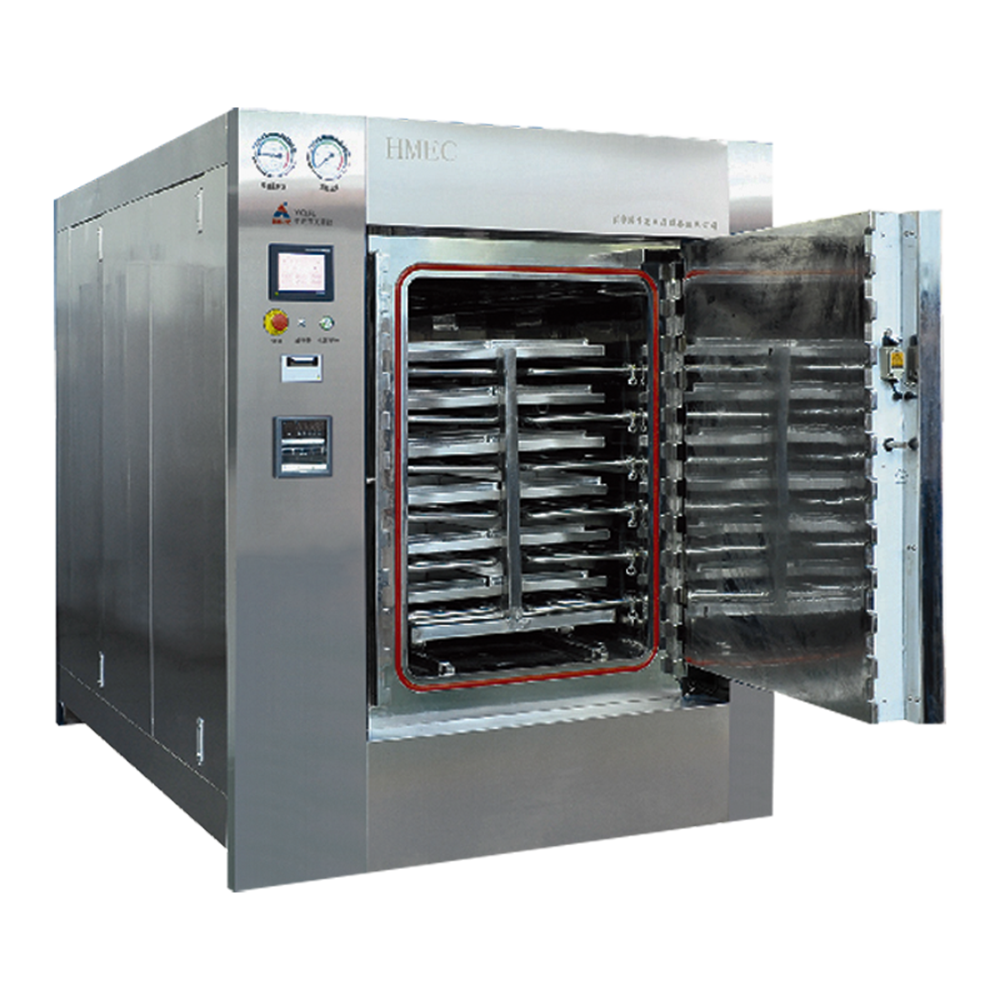
Sterilizatorul efectuează operațiuni de sterilizare cu căldură umedă asupra articolelor cu abur...
Vezi Detalii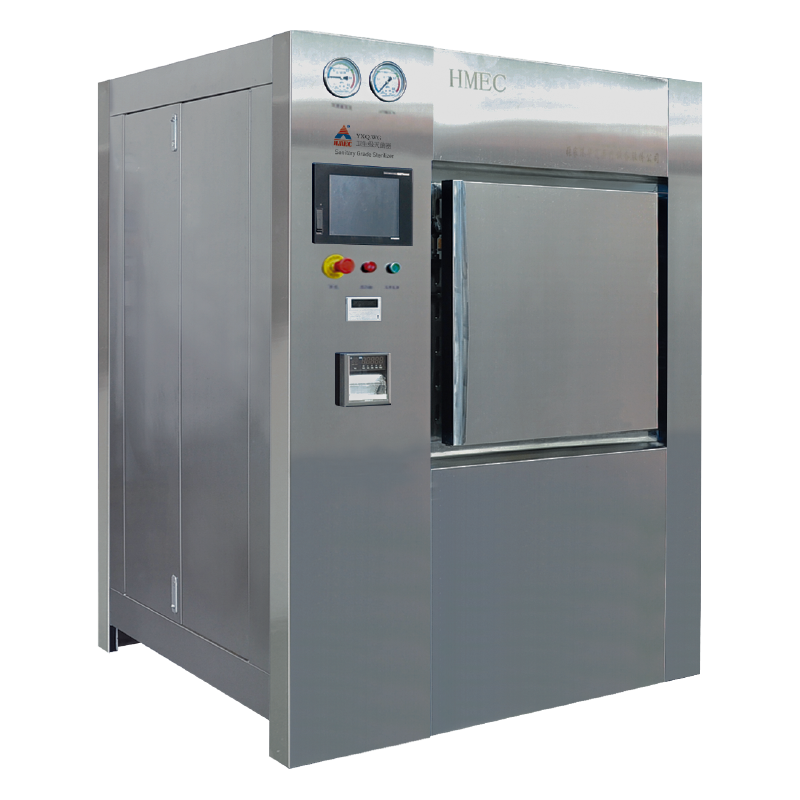
Sterilizatorul efectuează operațiuni de sterilizare cu căldură umedă asupra articolelor cu abur p...
Vezi Detalii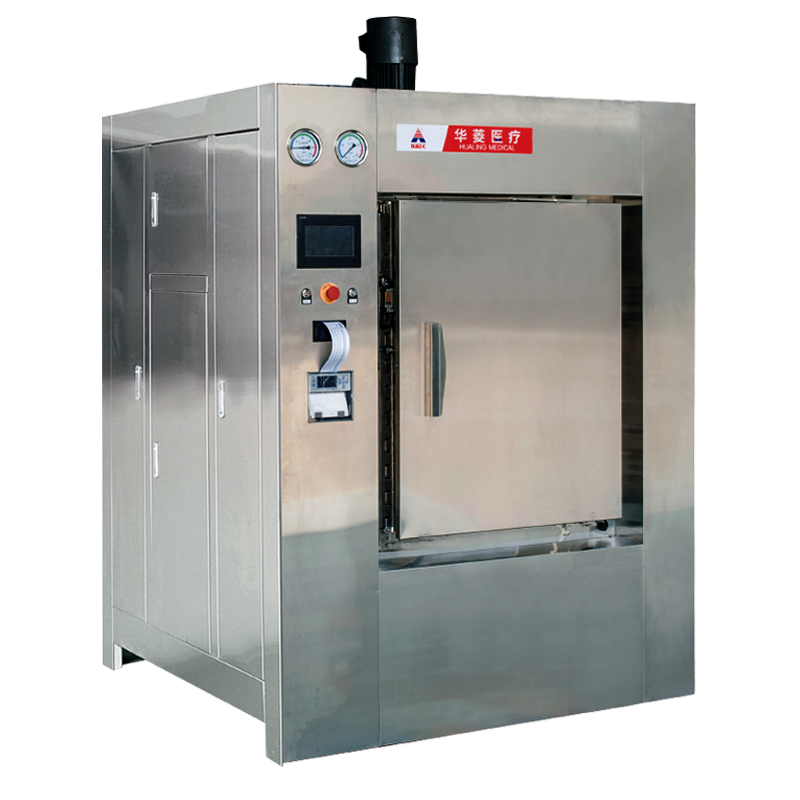
Sterilizatorul realizează sterilizarea prin amestecarea presiunii aerului și aburului. Mai mult,...
Vezi Detalii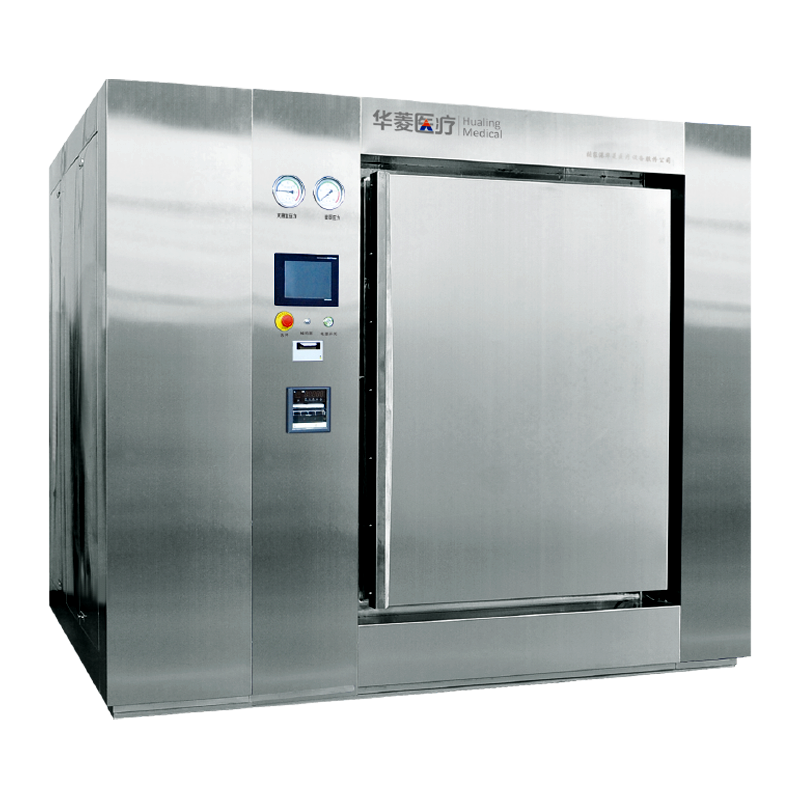
Tip baie de apă: Medicamentele sterilizate sunt încălzite folosind apă pulverizată folosind...
Vezi Detalii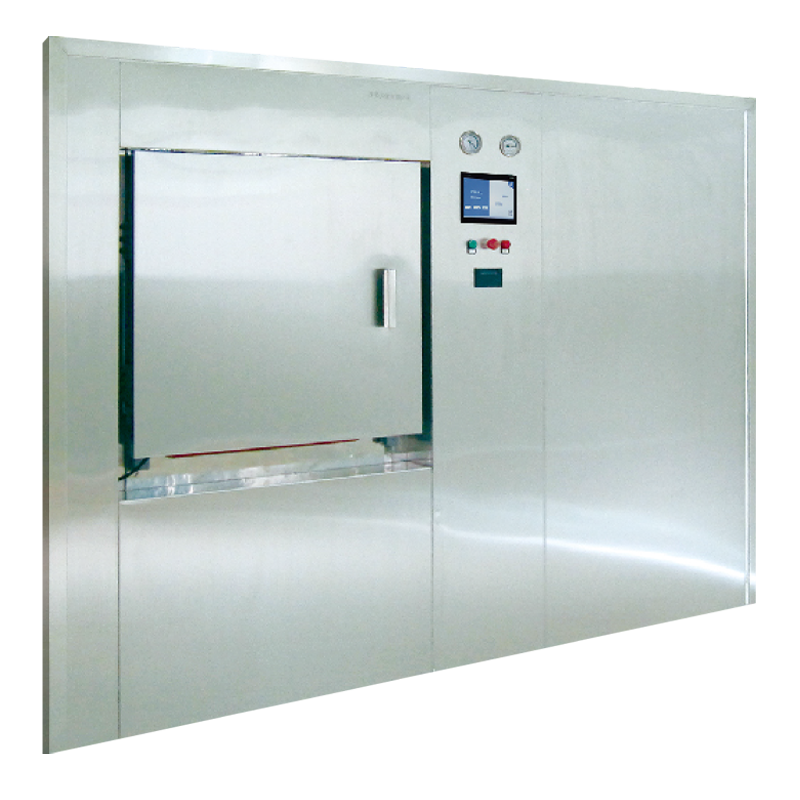
Sterilizatorul efectuează operațiuni de sterilizare cu căldură umedă asupra articolelor cu abur p...
Vezi Detalii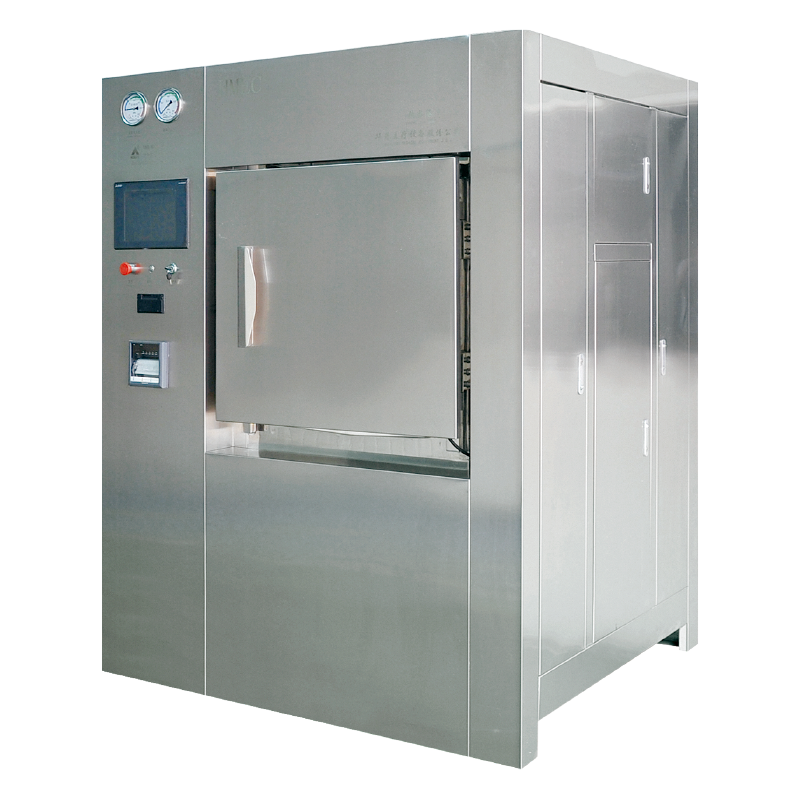
Sterilizatorul trebuie să îndepărteze impactul aerului rece asupra temperaturii utilizând pompare...
Vezi Detalii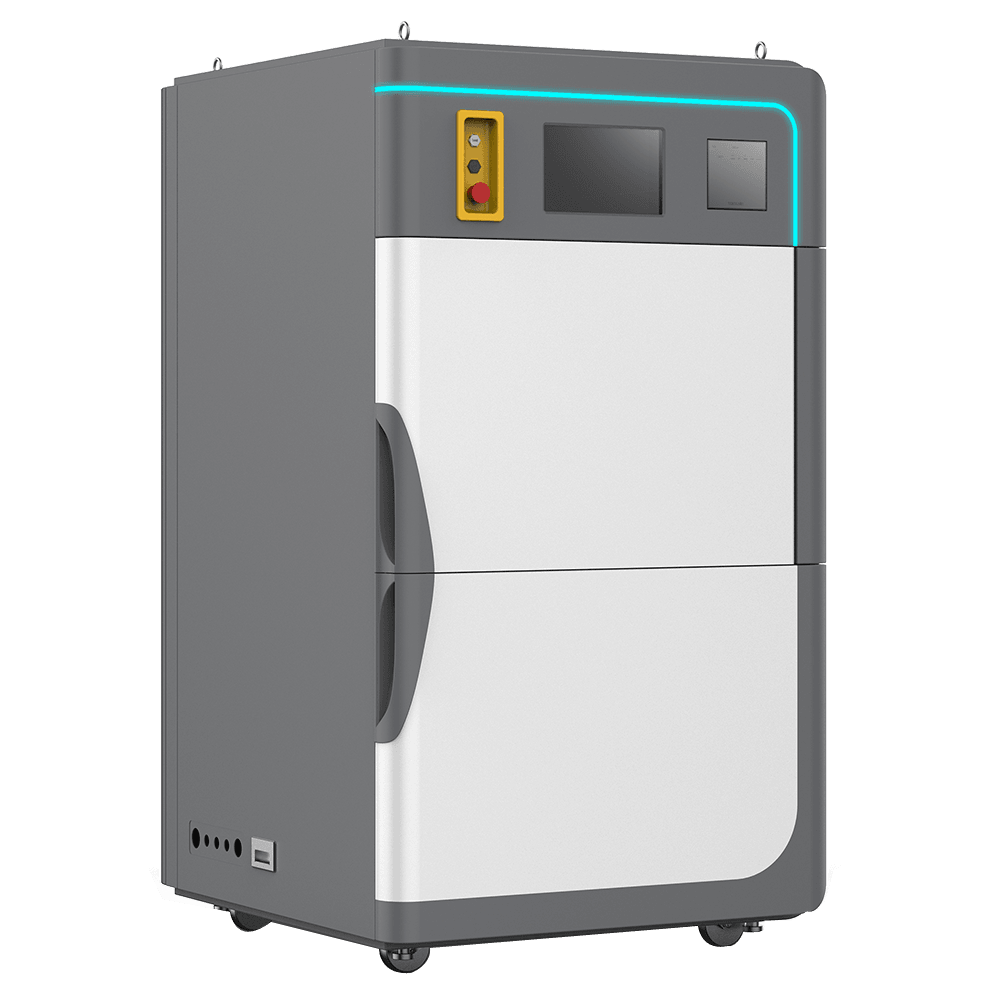
Prin penetrarea rapidă în condiții de vid a unui gaz amestecat de abur la temperatură scăzută (60...
Vezi DetaliiIntroducere în sterilizatorul de calitate sanitară: definiție și importanță în sterilizarea modernă Definiția și conceptul de bază al sterilizatorului sanitar: The sterili......
CITEŞTE MAI MULTIntroducere În lumea cu ritm rapid de astăzi, asigurarea siguranței și sterilității produselor și materialelor utilizate în industria medicală, farmaceutică și alimentară este esențial......
CITEŞTE MAI MULTIntroducere la Sterilizatoare cu preparare sterilă Ce este preparatul steril? Prepararea sterilă se referă la procesul de combinare sau fabricare a unui produs......
CITEŞTE MAI MULT +(86) 18018151178
[email protected]
365 Nansha Sanjiali Road, Jingang Town, Zhangjiagang City, China
+(86) 18018151178
[email protected]
365 Nansha Sanjiali Road, Jingang Town, Zhangjiagang City, China
 Informațiile furnizate pe acest site web sunt destinate utilizării numai în țări și jurisdicții din afara Republicii Populare Chineze.